
"Seeing is No Longer Believing": The Identity Crisis of 2026
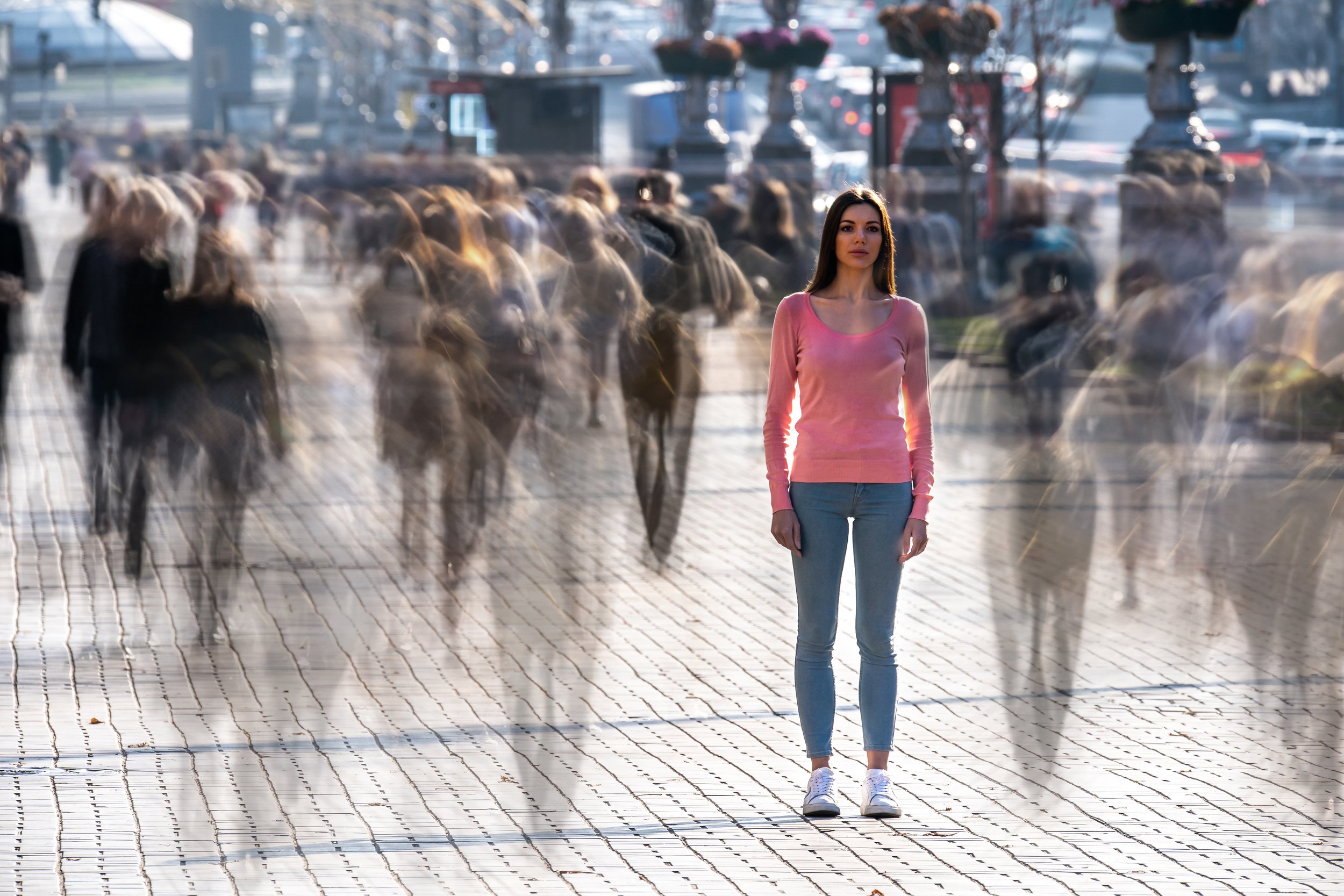
The video call looked mundane. The CEO of a mid-sized logistics firm in Ohio was sitting in his usual home office, bookshelves slightly cluttered, tie slightly askew. He asked his finance director to authorize a routine $450,000 vendor payment. The voice was his. The impatient tapping of his pen on the desk was his. The finance director authorized the wire.
Three hours later, the real CEO walked into the office, unaware he had just been impersonated by a real-time AI avatar.
As we close 2025, this scenario is no longer the plot of a sci-fi thriller; it is a Tuesday. We have entered the era of the "Identity Crisis," where the digital axioms we relied on for decades—seeing is believing, hearing is trusting—have collapsed.
The Death of the "Snapshot" Verification
For the last decade, digital identity relied on a "snapshot" model: You present your face or ID at a digital checkpoint (logging in), the system verifies you, and the gate opens. Once inside, you are trusted implicitly.
By 2026, this model will be functionally obsolete.
Recent intelligence indicates that 30% of enterprises will abandon standalone identity verification solutions next year because they can no longer distinguish between a human and a high-fidelity deepfake. The tools to create these fakes are now consumer-grade. A 2025 study found that human detection rates for high-quality video deepfakes have plummeted to just 24.5%.
The problem isn't that our passwords are weak. It's that our eyes are lying to us.
The New Standard: Continuous Authentication
If we cannot trust the face on the screen, how do we prove identity? The industry is pivoting to a new paradigm: Continuous Authentication.
Instead of asking "Who are you?" once at the front door, systems are beginning to ask, "Are you still you?" every second of the session. This relies on Behavioral Biometrics—invisible patterns that are nearly impossible for an AI to mimic.
Keystroke Dynamics: An AI can fake your voice, but it cannot replicate the millisecond-perfect rhythm of how you type your password.
Mouse and Gyroscope Movements: The microscopic shake of a human hand holding a phone or the specific arc of a mouse cursor provides a "digital fingerprint" that synthetic bots lack.
Passive Liveness: New tools analyze screen reflections and blood flow patterns (photoplethysmography) in video feeds to determine if a face is living tissue or a digital rendering.
The Human Cost
The shift isn't just technical; it's psychological. In 2026, the burden of proof has shifted. We are moving toward a "Zero Trust" society where every digital interaction—from a CEO's video call to a grandmother's voicemail—must be cryptographically verified.
Organizations that fail to adapt face a steep penalty. Fraud losses from generative AI are projected to hit $40 billion by 2027. The companies that survive will be those that accept the uncomfortable truth: In the age of AI, your eyes are compromised. Only the data tells the truth.
